
Our Works
Policy Division supports the Commission, in terms of advising and assisting the Government in formulating policies, practice and administrative procedures, particularly on issues relating to economic, social and cultural rights. The recommendations and guidance shall be consistent with the international human rights standards.
Examples of its past work include research and publication on the Report On Transgender Persons In KL And Selangor 2019, Report on Care Services for Older Persons and Support for Caregivers 2015, The Right to Education for Children with Learning Disabilities, Focusing on Primary Education 2015, Strategic Framework on a National Action Plan on Business and Human Rights for Malaysia 2015, and Report on Human Rights and Access to Equitable Healthcare 2011.
The Division’s current work focus are on Indigenous Peoples, business and its impacts on human rights, transgender and statelessness. The Division is working closely with the relevant Ministry and/or agency to identify and develop solutions to enable basic needs including access to healthcare, education and work for the vulnerable communities are met. In line with the Law Minister’s announcement on 24 June 2019, the Division is following up and ready to support the Government to develop the country’s first National Action Plan on Business and Human Rights (NAPBHR).
The Education, Outreach and Promotion Division (EOPD) is entrusted with carrying out the Commission’s function under Section 4(1)(a) of the Human Rights Commission Act 1999 (Act 597), which is to provide education relating to human rights to society and all relevant stakeholders, including law enforcement agencies.
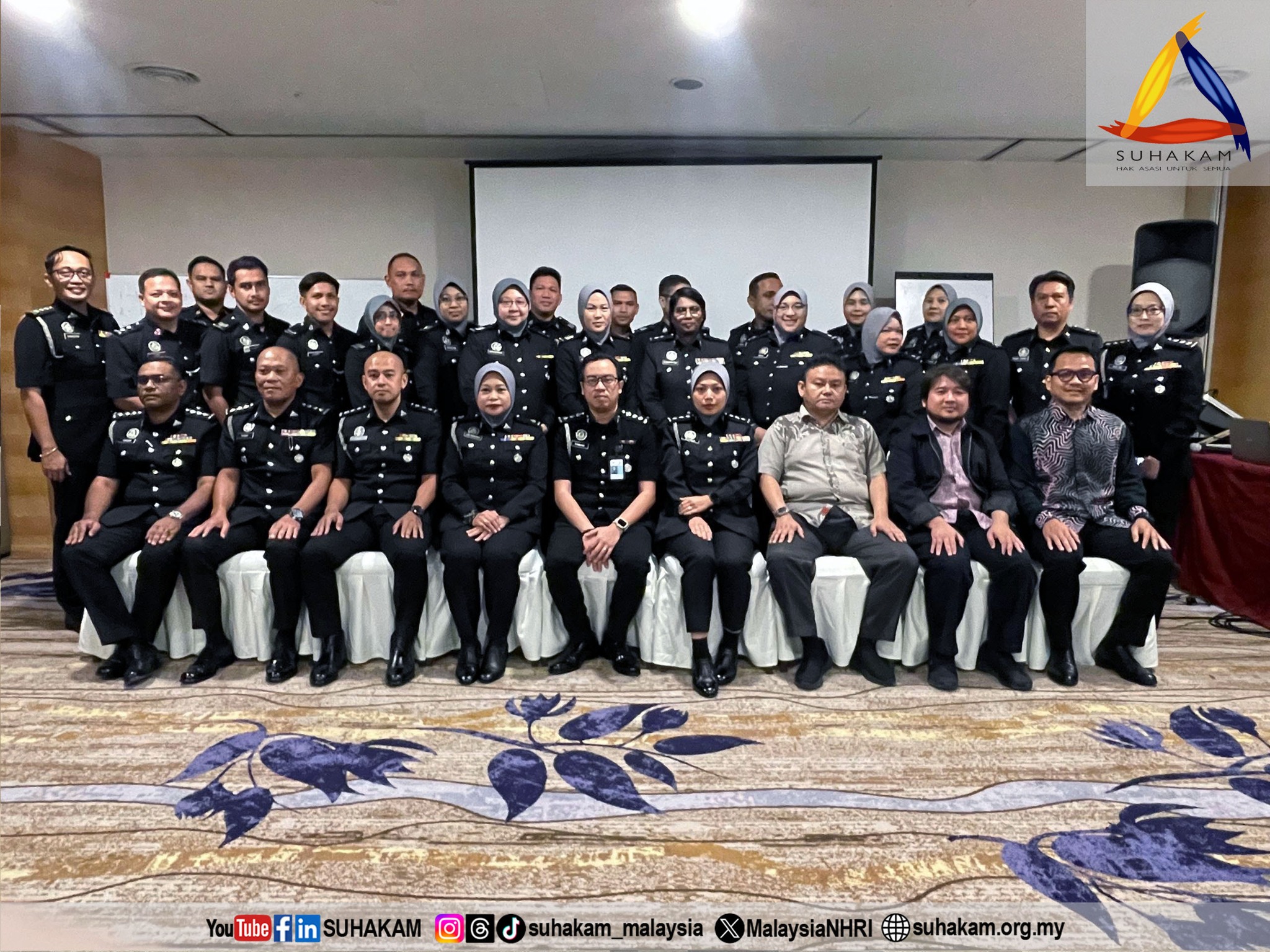
The Division conducts human rights training programmes and workshops for government agencies, the private sector and non-governmental organisations on various human rights topics, including human rights and law enforcement, business and human rights and the Human Rights Based Approach.
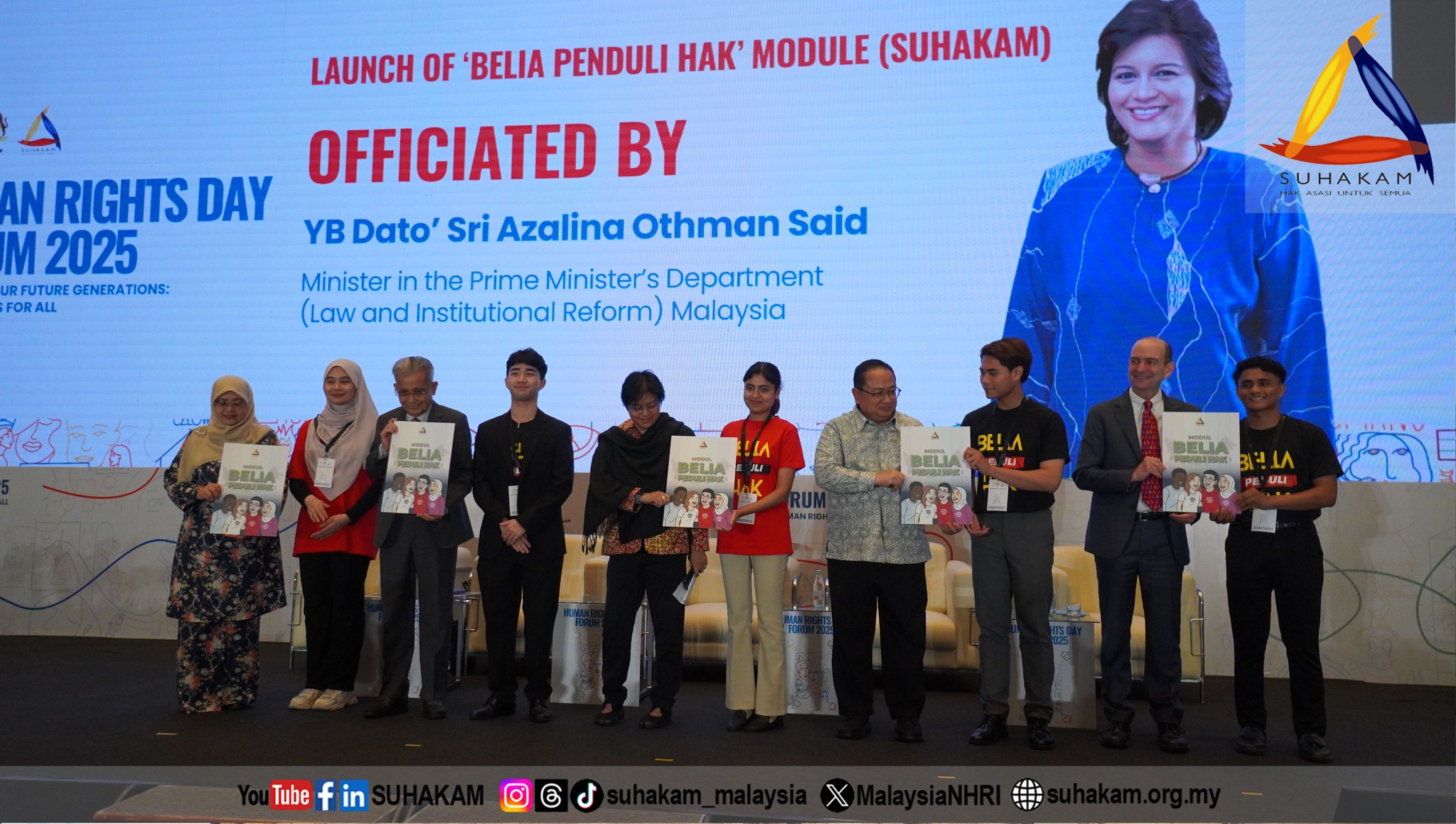
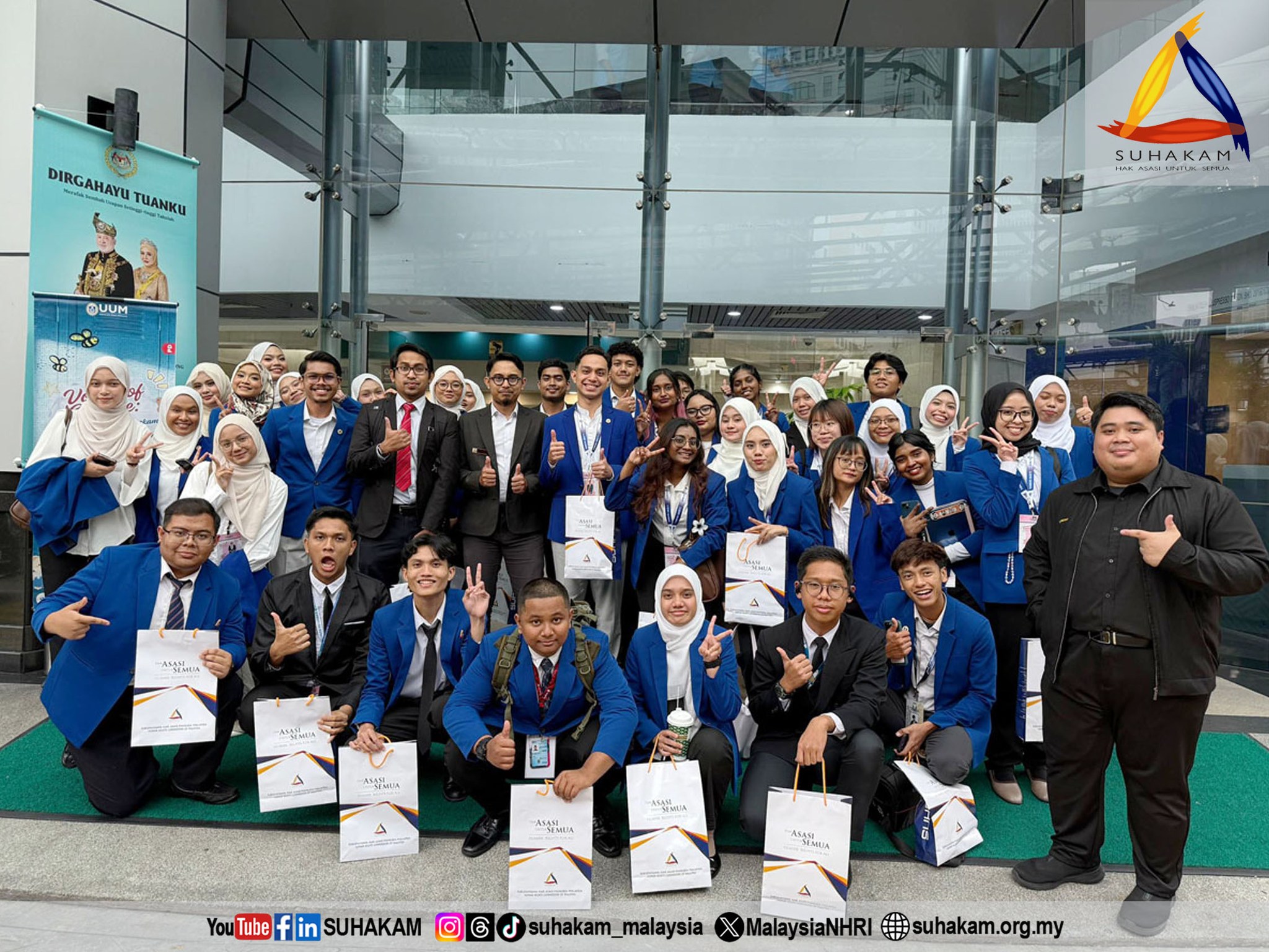
The Division focuses on disseminating human rights education to schools, higher education institutions and teacher education institutions. The Human Rights Best Practices in Schools (ATHAM) Programme aims to inculcate respect for human rights among schoolchildren. The Division also develops and implements human rights education modules and contributes human rights content to civic education initiatives in schools. It also undertakes collaboration with higher education institutions to strengthen human rights education in universities and beyond.
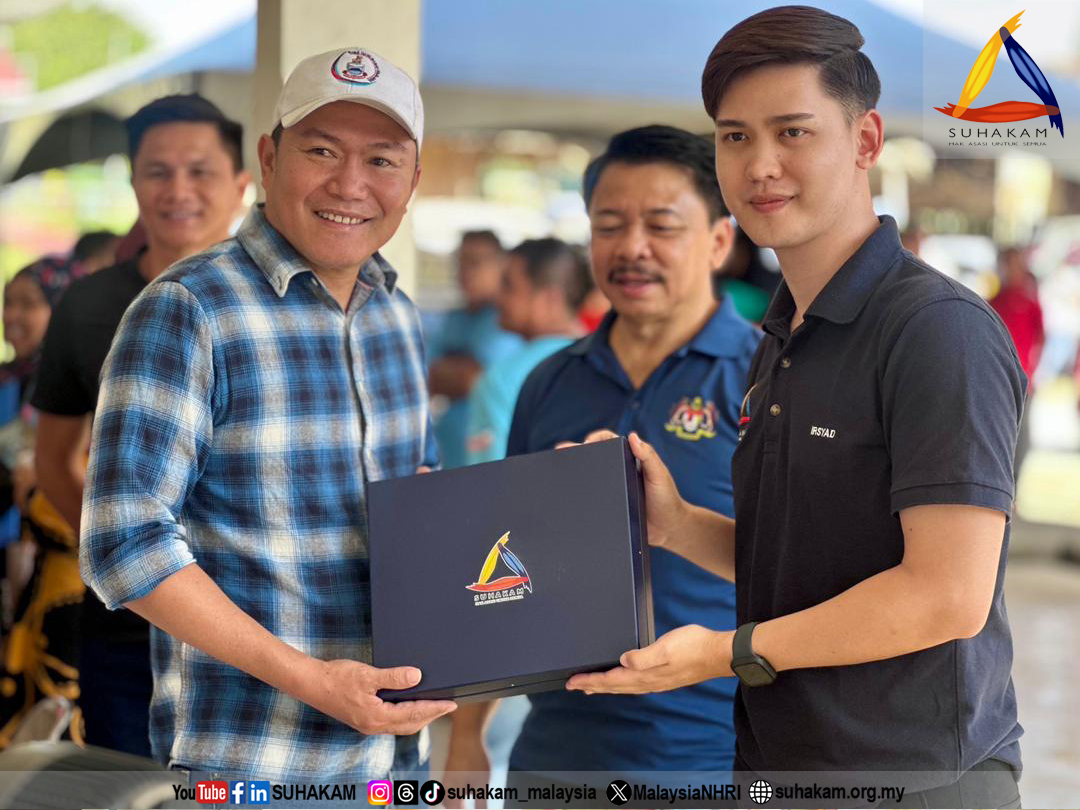
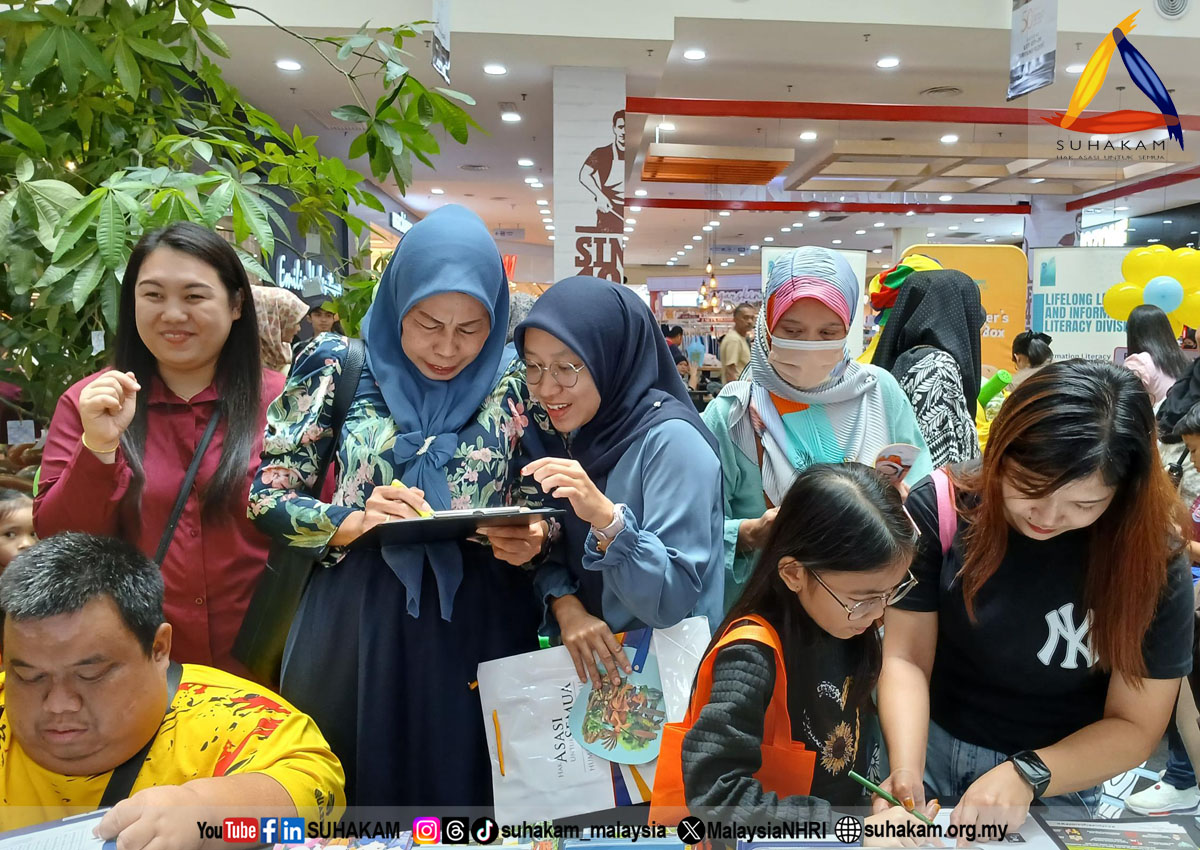
The Division also carries out outreach to grassroots communities through the SUHAKAM Bersama Masyarakat (Meet-the-People) programme, which enables SUHAKAM to promote human rights and the role of SUHAKAM while providing a platform for communities to raise their concerns on various human rights issues.
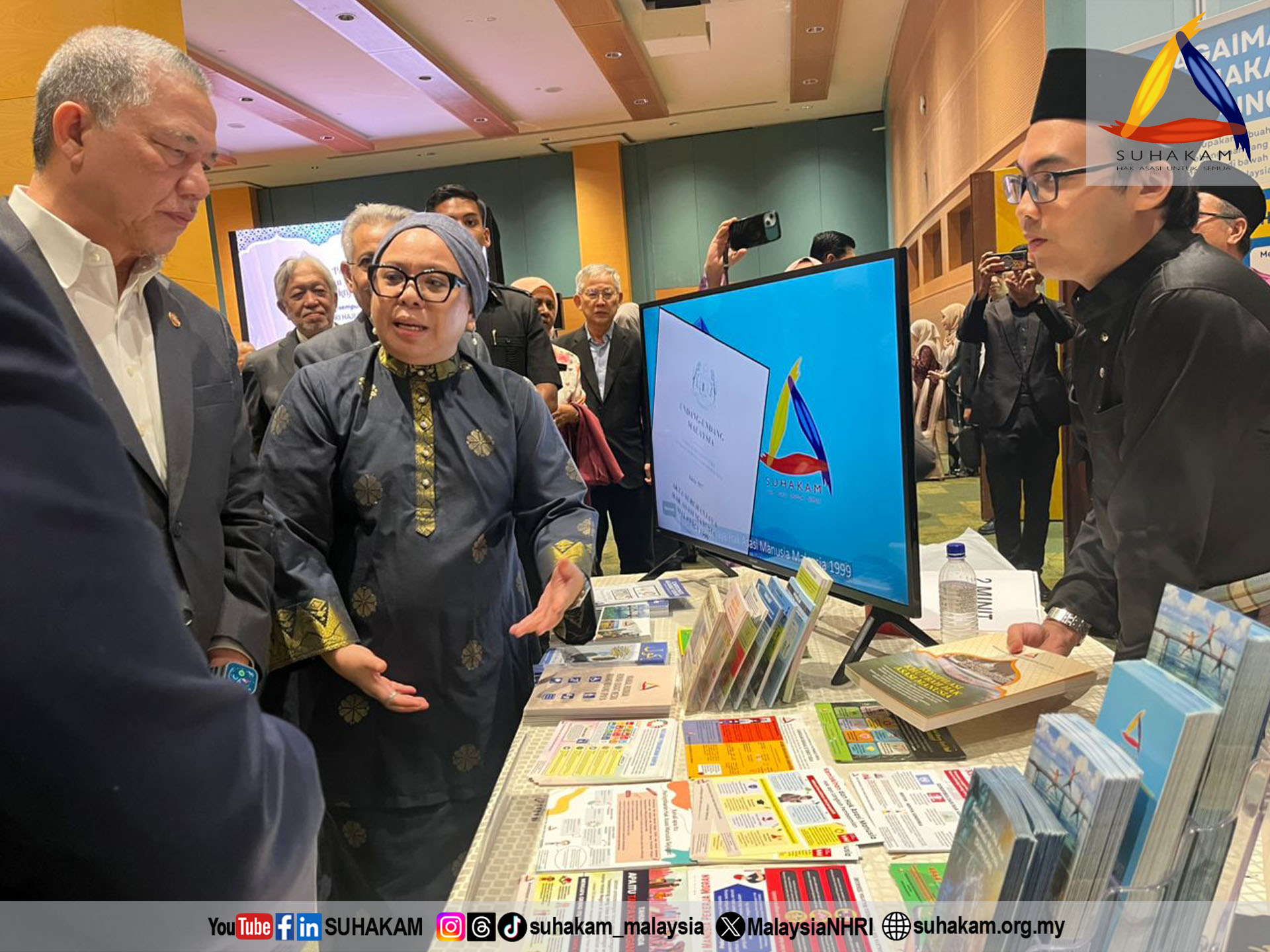
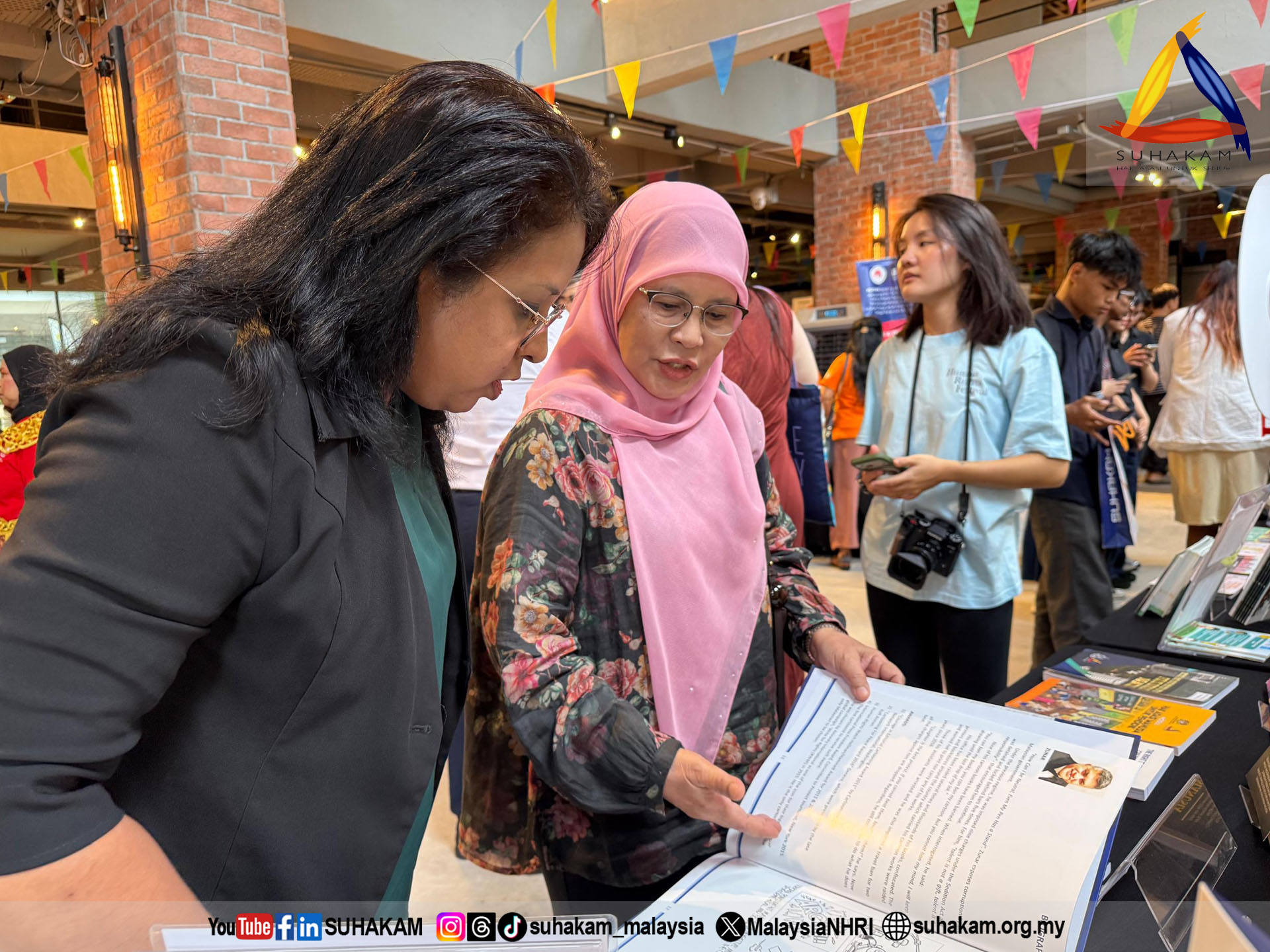
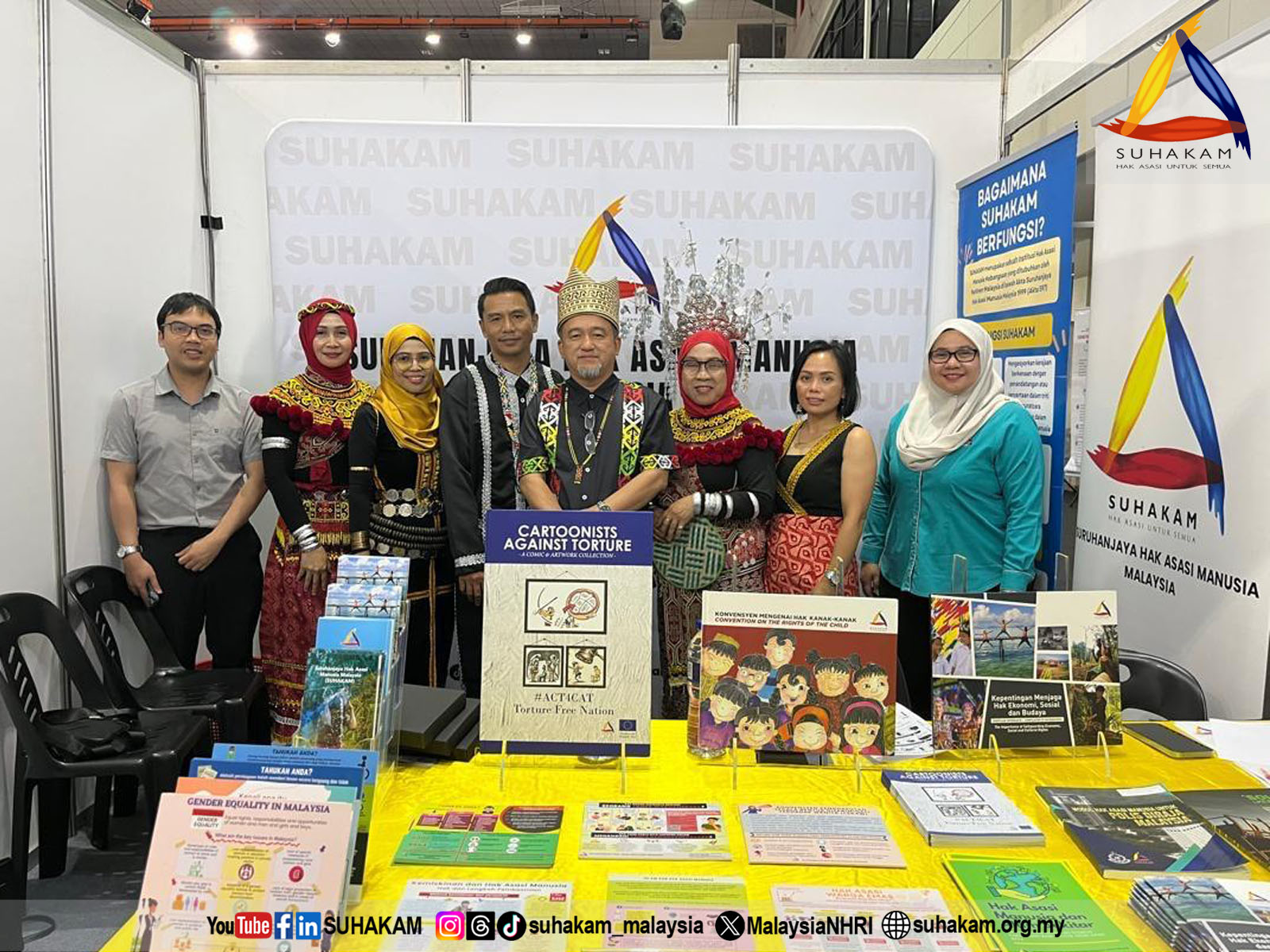
As part of its promotion function, the Division undertakes human rights campaigns, exhibitions and the development and dissemination of human rights promotional materials and tools, including brochures, infographics, posters, booklets and comics. These activities aim to raise greater public awareness of human rights and the work of SUHAKAM.
The Corporate Communication Division (CCD) coordinates and implements the Commission’s corporate communication and media functions, and serves as the central point for SUHAKAM’s media communications.
The Division is responsible for preparing and distributing press statements and other resources for the media, arranging media interviews, organising media conferences and responding to media queries. The Division also engages with media practitioners and other relevant organisations, and undertakes media monitoring and capacity building in areas relating to press and media freedom, freedom of expression and media reform, where relevant.
The Division strengthens SUHAKAM’s media outreach and public image through various communication platforms, including social media, the SUHAKAM website, newspapers and online news portals.
The Division also coordinates and supports SUHAKAM’s media and communication engagements to ensure the effective dissemination of information on the Commission’s work, activities and human rights-related positions to the public and relevant stakeholders.
Law and International Treaties Division (LITD) performs SUHAKAM’s core functions of advising, assisting and making policy recommendations to the Government in:
- formulating and reviewing existing, amending and new laws to be in line with international human rights standards
- implementing and acceding to international human rights treaties and instruments
In this role, LITD conducts legal and policy researches; prepares position and policy papers; and engages ministries, government agencies and policy actors such as parliamentarians, courts and civil society to promote law reforms and treaty implementation. Its main activities for SUHAKAM include organising judicial colloquiums; conducting stakeholder consultations, workshops and discussions; and holding watching briefs in courts. To date, the Division has engaged with the Government on the review and/ or formulation of laws relating to, among others, enforcement agencies, death penalty, workers’ rights, anti-trafficking, sexual harassment and gender discrimination.
Ultimately, LITD works to ensure that Malaysian laws and policies are rights-based and human rights-friendly.
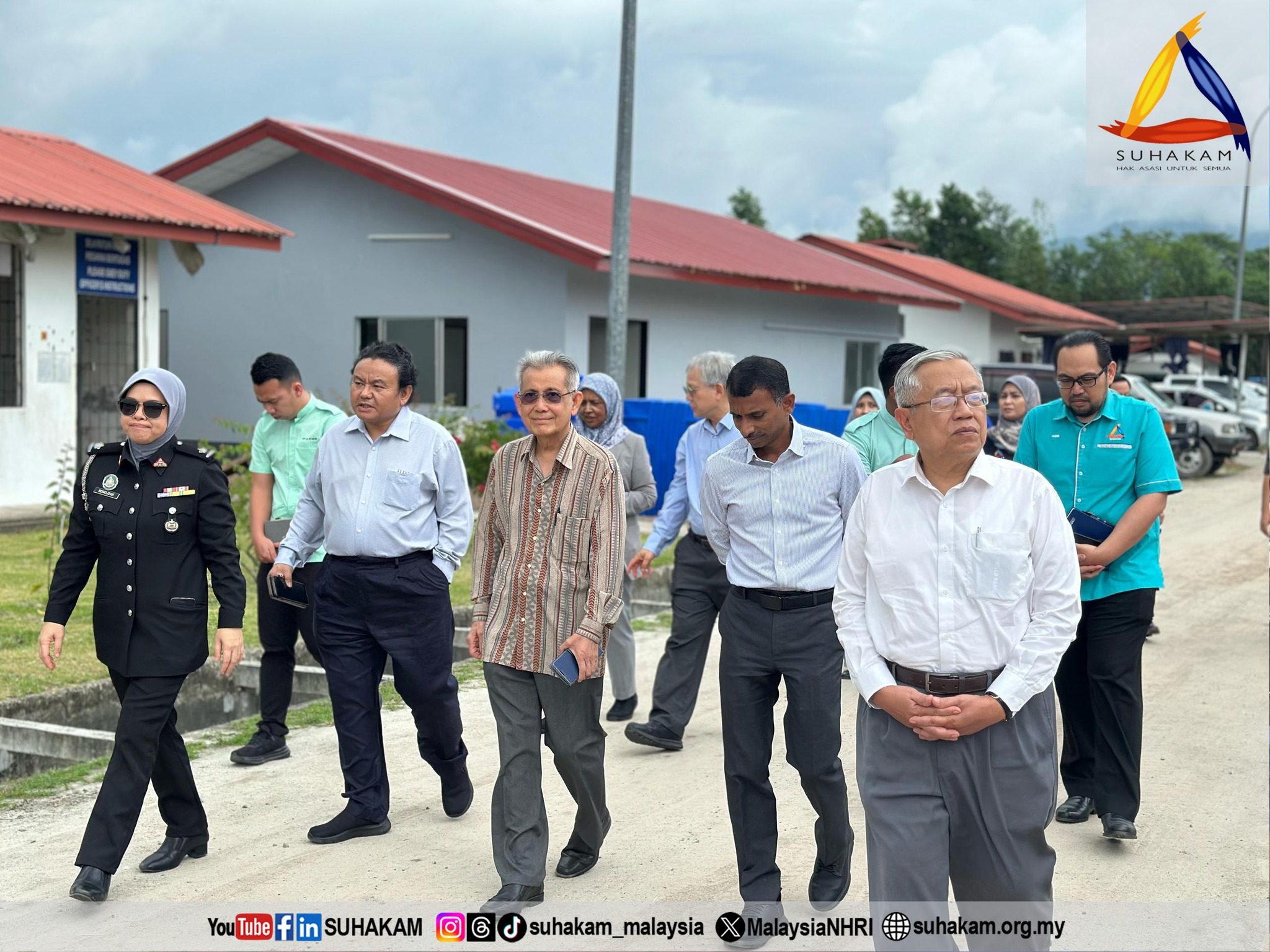
The Complaints and Monitoring Group (CMG) supports the function of the Commission to receive and investigate complaints on alleged violation of human rights. CMG is also tasked to conduct periodical visits to places of detention to ensure conditions therein comply with human rights standards. In addition to that, CMG also monitors peaceful assemblies as and when instructed by the Commission.
A significant role of the Division was to support Commission to hold public inquiries on selected important areas of public interest such as the National Inquiry Into The Land Rights of Indigenous Peoples 2013, and more recently on the Disappearance of Pastor Raymond Koh and Amri Che Mat. The Division will continue with the public inquiry on disappearance of Joshua and Ruth Hilmi in 2020, and its findings will be made public in due course.
The Division had also undertaken research and published on important issued of trafficking and health in places of detention in the books entitled “Sold Like Fish” Crimes Against Humanity, Mass Graves, and Human Trafficking from Myanmar and Bangladesh to Malaysia from 2012 to 2015 (2019), Report The Right to Health in Prison 2017, Report on Roundtable on Alternatives to Immigration Detention 2013.
The Division works closely with Prisons Department. This have resulted in the recent successful advocacy for the establishment of Custodial Medical Units in selected Prison centres. This is in the interest of ensuring prisoners are given medical screening upon entry and necessary medical examinations/treatment whenever necessary, to reduce the incidence of death in custody.
International Coordination Division (ICD) main portfolios:
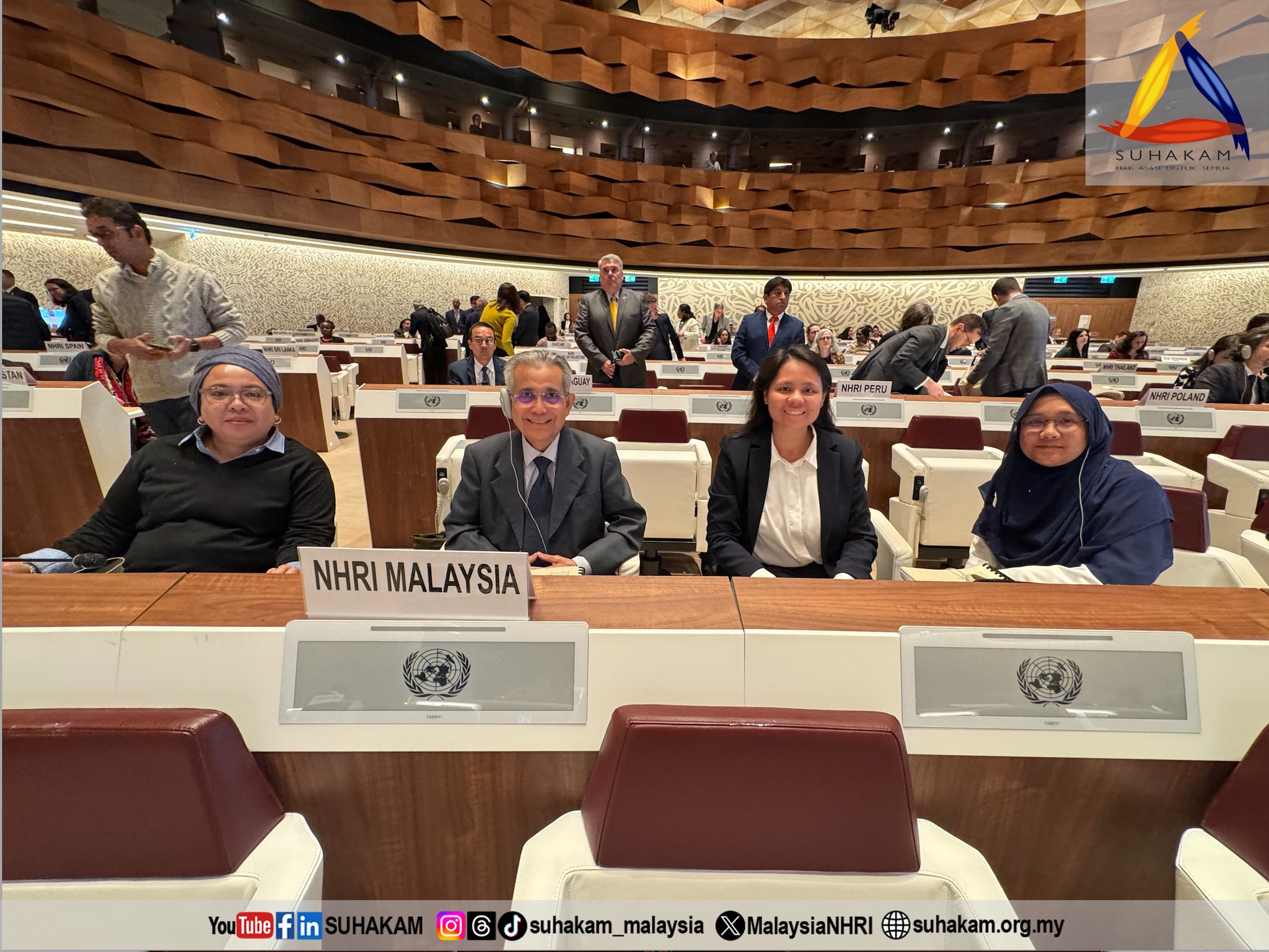
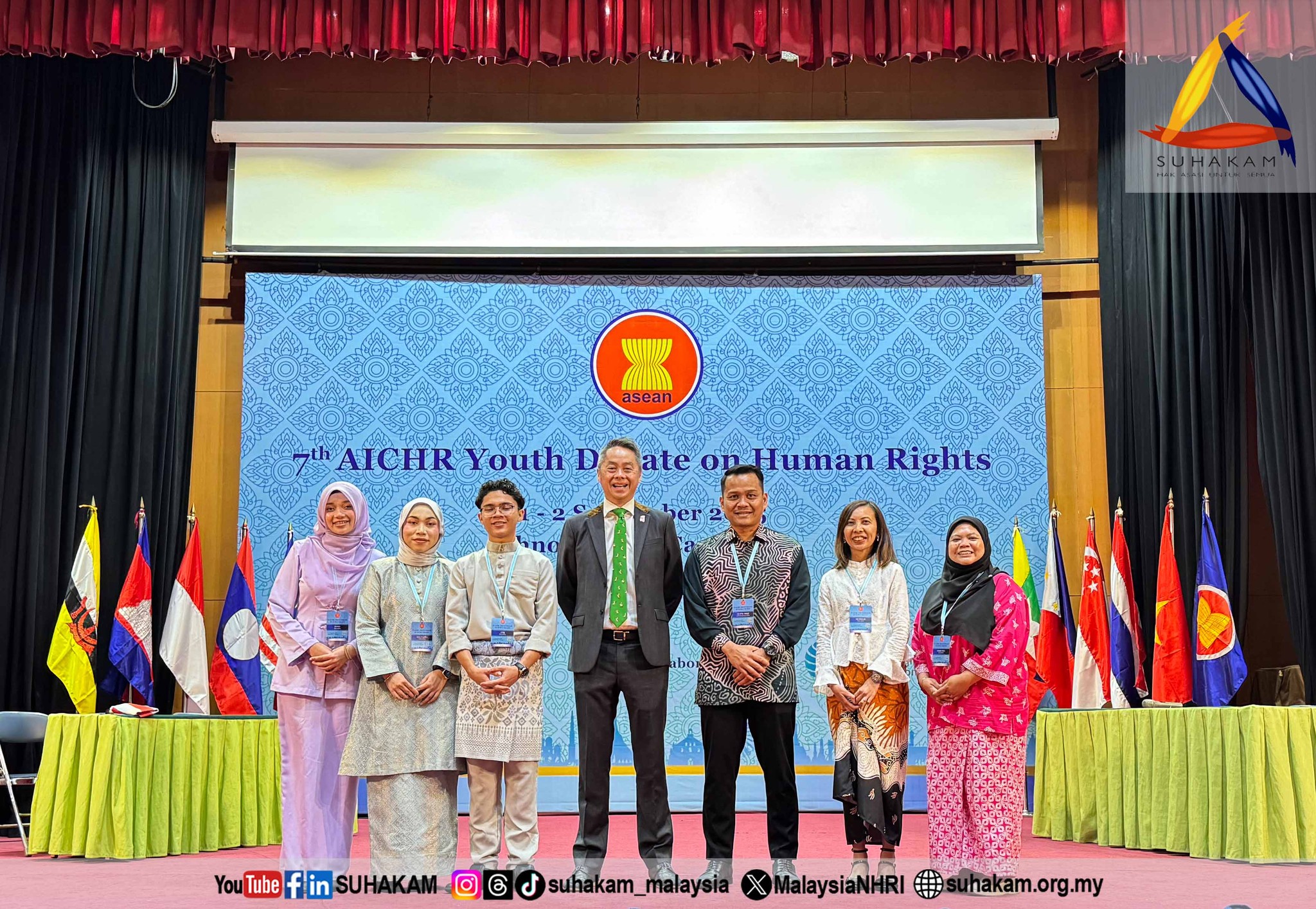
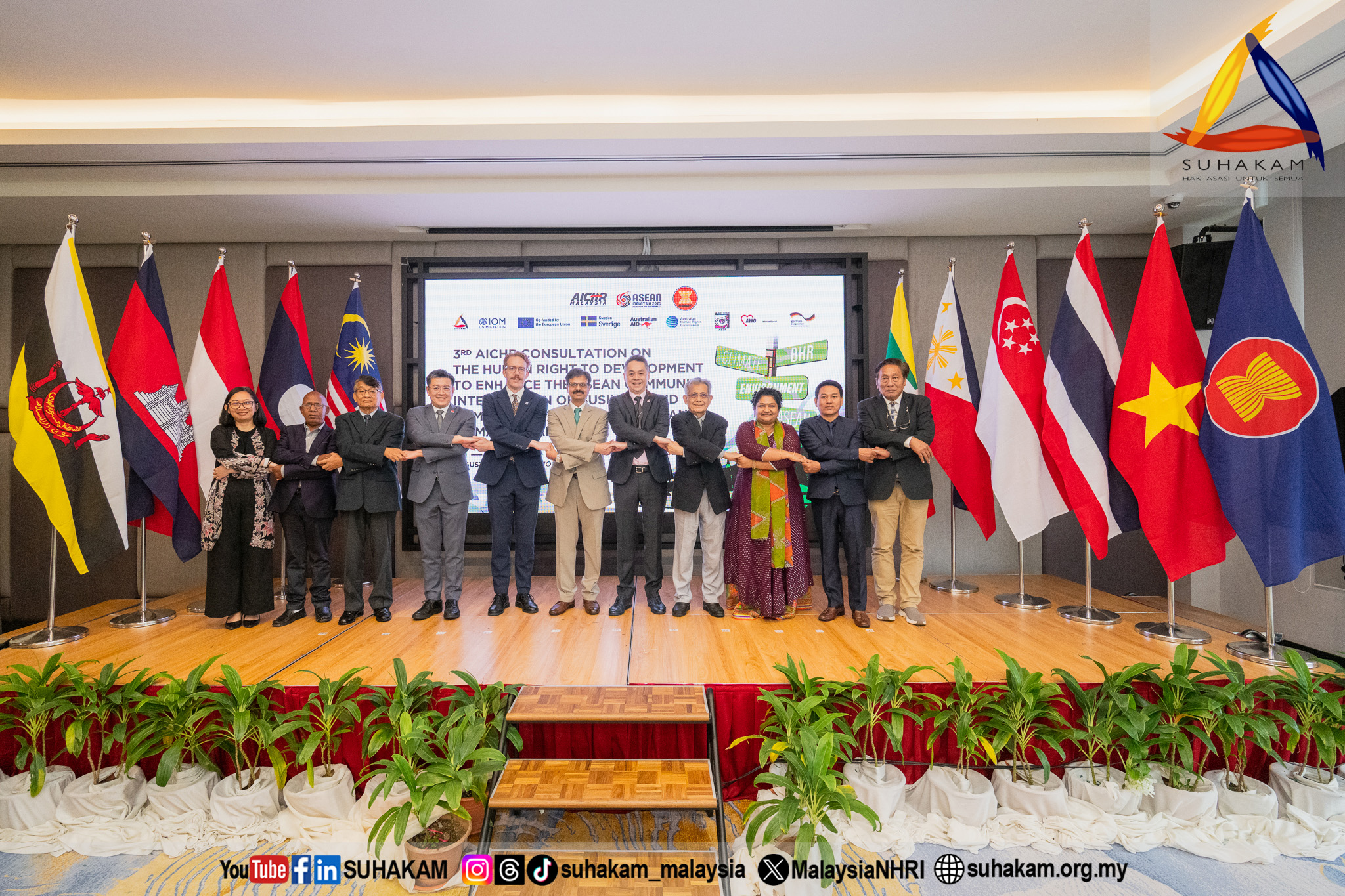
The division leads in terms of SUHAKAM’s regional and international relationships, including strengthening collaborations with other NHRIs and networks, as well as its contributions to UN mechanisms. As a member of various international networks and in partnerships with international organisations, SUHAKAM was able to increase its capacity further and strengthen its recognition on the regional and global level as a serious proponent of human rights both at home and abroad.
This unit also responsible for monitoring and following-up on Malaysia’s Universal Periodic Recommendations (UPR), and other OHCHR mechanisms including Commission’s submissions to Treaty bodies or Special Procedures, with respect to call for submissions by Special Rapporteurs.
Publication and Information Management Division (PIMD) is responsible for managing the Commission’s publication, library, document and information management functions, including information and communication technology (ICT), to support the dissemination, management and accessibility of human rights information and resources.
The Division manages the development, production and dissemination of SUHAKAM’s publications and human rights-related materials in printed and electronic formats. These materials cover various human rights topics and themes and aim to promote greater awareness and understanding of human rights among the public and relevant stakeholders.
The Division also manages SUHAKAM’s library and facilitates access to human rights reference materials. The SUHAKAM Library, established in 2002, provides a specialised collection of books, journals, conference proceedings, audio-visual materials, theses and dissertations in English and Malay. The library serves members of the public, particularly students, non-governmental organisations and researchers with an interest in human rights, subject to the applicable library arrangements.
The Division is also responsible for document management, including the organisation, maintenance and accessibility of the Commission’s documents and information resources. In addition, the Division carries out ICT-related functions to support SUHAKAM’s information systems, digital infrastructure and technology requirements, contributing to the effective management and accessibility of information across the Commission.
The Division also supports the promotion of human rights and SUHAKAM’s work by making relevant publications, information and human rights resources available to a wider section of society through appropriate physical and electronic platforms.
In 2018, SUHAKAM was awarded a 2-year grant from the European Union for the purpose of promoting Malaysia’s accession to remaining international human rights treaties. The main activities under this grant are threefold – This includes research work on the compatibility of Malaysian laws with unratified human right treaties in Malaysia; providing human rights training for government (enforcement) agencies; hosting awareness programmes; and producing publications and human rights campaign materials for SUHAKAM. As the aforementioned activities are considerably interlaced and complementary to the core functions of SUHAKAM and thus the work of existing divisions; the EU grant team works closely with each SUHAKAM division in implementing activities and in discharging its duties.
As the aim of the project suggests, the grant project focusses on the unratified international treaties such as the United Nations Convention Against Torture and other Cruel, Inhuman or Degrading Treatment or Punishment (UNCAT), the International Convention for the Protection of All Persons from Enforced Disappearance (ICPPED), the International Convention on the Protection of the Rights of All Migrant Workers and Members of their Families (ICMW), the International Convention on the Elimination of All Forms of Racial Discrimination (ICERD), the International Covenant on Civil and Political Rights (ICCPR), the International Covenant on Economic, Social and Cultural Rights (ICESCR) as well as the United Nations Declaration on the Rights of Indigenous Peoples (UNDRIP).
In 2020, Malaysia was no exception in experiencing the grave impact of Covid19. The alarming infection rate at the time prompted the government to impose several variations of movement restrictions throughout 2020-2021. Due to the pandemic, lives were upended – with vulnerable groups throughout the country being affected disproportionately. They faced a dire situation as their socioeconomic rights were not met in many ways; losing access to needs such as potable water, food, adequate housing, work/livelihood and health. With the intention of alleviating the pressing circumstances in Malaysia, SUHAKAM received a direct grant from the EU for a 19-month project, “Responding to Covid19 by Meeting the Human Rights Needs of Vulnerable Communities in Malaysia”.
Activities under this project included the development of an online platform known as HubHAK which was built to facilitate a mapping exercise to enhance information sharing and data gathering on serious human rights issues among CSOs/NGOs as well as among CSOs and SUHAKAM in Malaysia. Through the work of the project’s Sub-grantees which comprised local grass-root NGOs; Save Rivers (Sarawak), Borneo Komrad (Sabah) and Persatuan Komuniti Berdikari (Penang), aid subsistence was distributed among the urban-dwelling natives in Sawarak, stateless communities in Sabah and refugees in Penang. Cognisant that aid distribution provides short-term relief, the project also focused on conducting vocational workshops to build capacity among targeted groups which shall contribute to a longer-term and more sustainable socioeconomic impact among the community.
The Corporate Services Group consists of 6 units. Each unit is headed by an Assistant Secretary.
SUHAKAM Sarawak Office, works to bring human rights principles and practice to the State of Sarawak. Since its founding in 2002, the goal has been to do exceptional work, build collaborative relationships with multiple stakeholders, agencies as well as the State Government and to continue its own capacity building to enhance its work.
Despite the mammoth task, the officers are keen to:
- Raise SUHAKAM’s profile in the areas of human rights promotion, protection, and education in Sarawak
- Reflect updated brand message of SUHAKAM in Sarawak
- Communicate our expertise and experience in human rights promotion, protection, and education in Sarawak
- Increase monthly complaint loads
- Increase the scope of enquiries from the public on human rights matters
- Boost SUHAKAM services online and offline
- Further strengthen our network
- Increase efficiencies in areas of complaints management and investigation of human rights abuse in Sarawak.
SUHAKAM Sabah Office’s operations mainly focuses on the following areas :-
- Increasing public awareness on human rights targeting political leaders; civil servants; grassroot community leaders such as the district chiefs, native chiefs and village heads; students and the general public.
- Receiving and investigating complaints from the public regarding infringements of human rights.
- Engaging with Federal and State Agencies, representatives of foreign governments, civil society organizations, etc on the promotion and protection of human rights;
- Other activities related to the promotion and protection of human rights in the State
Road shows on human rights (SUHAKAM Bersama Masyarakat) – The objectives of these road shows are to enhance public awareness of and respect support for human rights, empower the public to act for human rights and to promote greater awareness on human rights among grassroot communities. Since commencing its operations, Sabah Office has conducted about 300 road shows in all districts in Sabah.
Education on human rights – Sabah office has been working closely with the RELA Training Centre in Sabah to promote human rights among RELA recruits as part of their training curriculum; and in collaboration with the Ministry of Education in the on-going programme “Human Rights Education (Taught and Practised) in All Schools by 2020”, whereby human rights activities are organised by schools post-UPSR and PT3 exams.
Undocumented persons in Sabah – Sabah Office receives numerous complaints that mainly relate to delays in processing identification documents by the National Registration Department (NRD), particularly those of local spouses of migrants, children with a migrant parent, and indigenous citizens living in remote areas. The absence of identification documents have led to various problems for the complainants, such as their inability to get jobs or enrol their children in school.
Sabah Office would like to acknowledge that, in the execution of its activities, the office have been accorded meaningful co-operation and assistance from the relevant Federal Government agencies, the Sabah Government and its agencies, Civil Society Organizations and others.
Sabah Office also notes that programmes organised throughout the year were met with enthusiastic response from the target groups, particularly among the rural communities in Sabah. The programmes organised have indeed succeeded in raising awareness on human rights and the roles and functions of the Commission, especially to those involved in the programmes.


- MO
- TU
- WE
- TH
- FR
- SA
- SU
- 28
- 29
- 30
- 1
- 2
- 3
- 4
- 5
- 6
- 7
- 8
- 9
- 10
- 11
- 12
- 13
- 14
- 15
- 16
- 17
- 18
- 19
- 20
- 21
- 22
- 23
- 24
- 25
- 26
- 27
- 28
- 29
- 30
- 31
- 1
Events for October
1st
Events for October
2nd
Events for October
3rd
Events for October
4th
Events for October
5th
Events for October
6th
Events for October
7th
Events for October
8th
Events for October
9th
Events for October
10th
Events for October
11th
Events for October
12th
Events for October
13th
Events for October
14th
Events for October
15th
Events for October
16th
Events for October
17th
Events for October
18th
Events for October
19th
Events for October
20th
Events for October
21st
Events for October
22nd
Events for October
23rd
Events for October
24th
Events for October
25th
Events for October
26th
Events for October
27th
Events for October
28th
Events for October
29th
Events for October
30th
Events for October
31st

 EN
EN  MS
MS